Production and optics notes
CVD ZnSe notes from the plant and the quote desk
Twelve notes from the quote desk and the plant floor. Composition, zinc charge, H2Se, CVD growth, laser vs optical grade, SMTY, cores, AR at 10.6 µm, Fresnel loss, Dia 800 × 30 mm, handling, and 10.6 vs 8–12 µm. Numbers from the KM datasheet and from the papers we actually use: Marple 1964, Li 1984, Connolly/Tatian, DTIC ADA042147, NIOSH IDLH, Young 1971 on germanium runaway, Harris SPIE 1999, Zi 2025 on 10.6 µm AR.
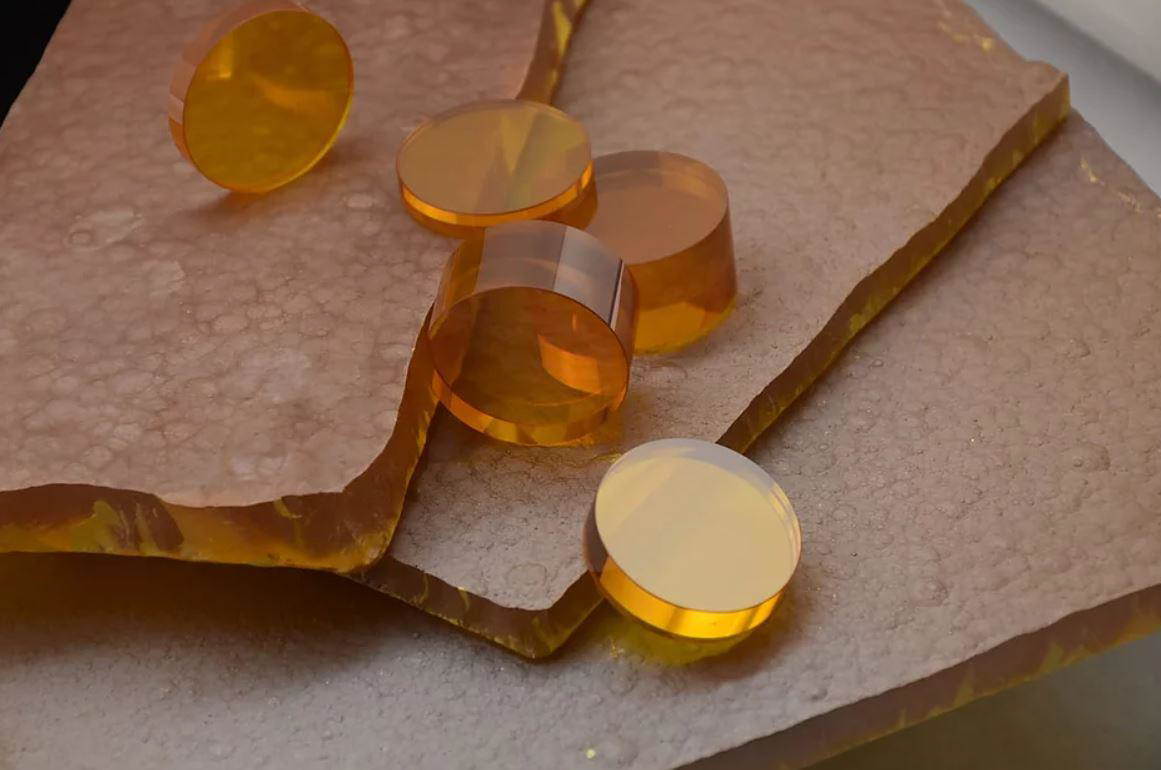
What ZnSe actually is
An optical engineer’s note on zinc selenide: 1:1 Zn and Se, cubic zincblende, why the crystal is amber, and which numbers actually matter on a quote.
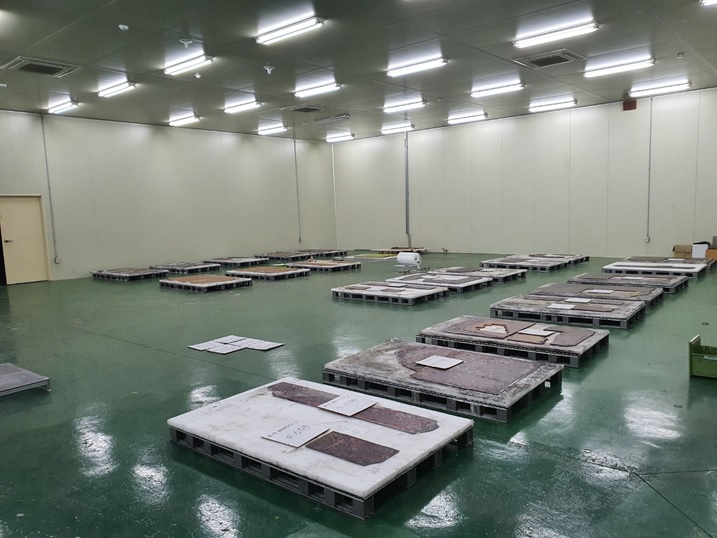
Zinc: the quiet half of ZnSe
Why the cation is zinc, how Zn metal becomes Zn vapor in a CVD reactor, and why zinc purity shows up as 10.6 µm absorption.
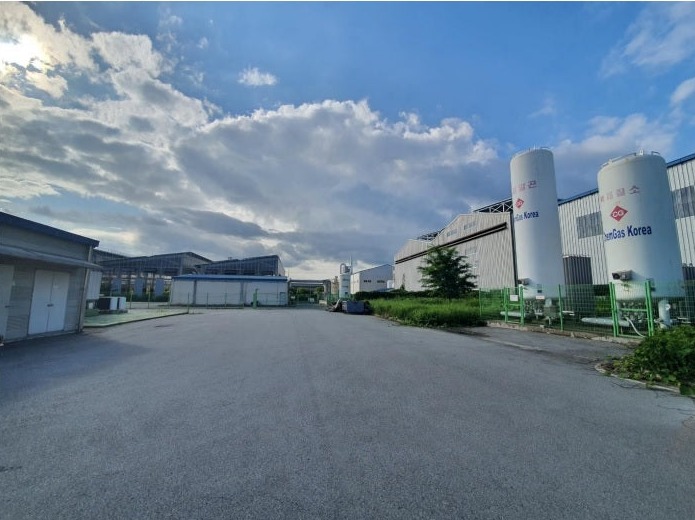
Selenium, H2Se, and the CVD gas plant
Selenium is the anion in ZnSe. Hydrogen selenide is the process gas. Both are why CVD zinc selenide is a chemical plant, not a glass shop.
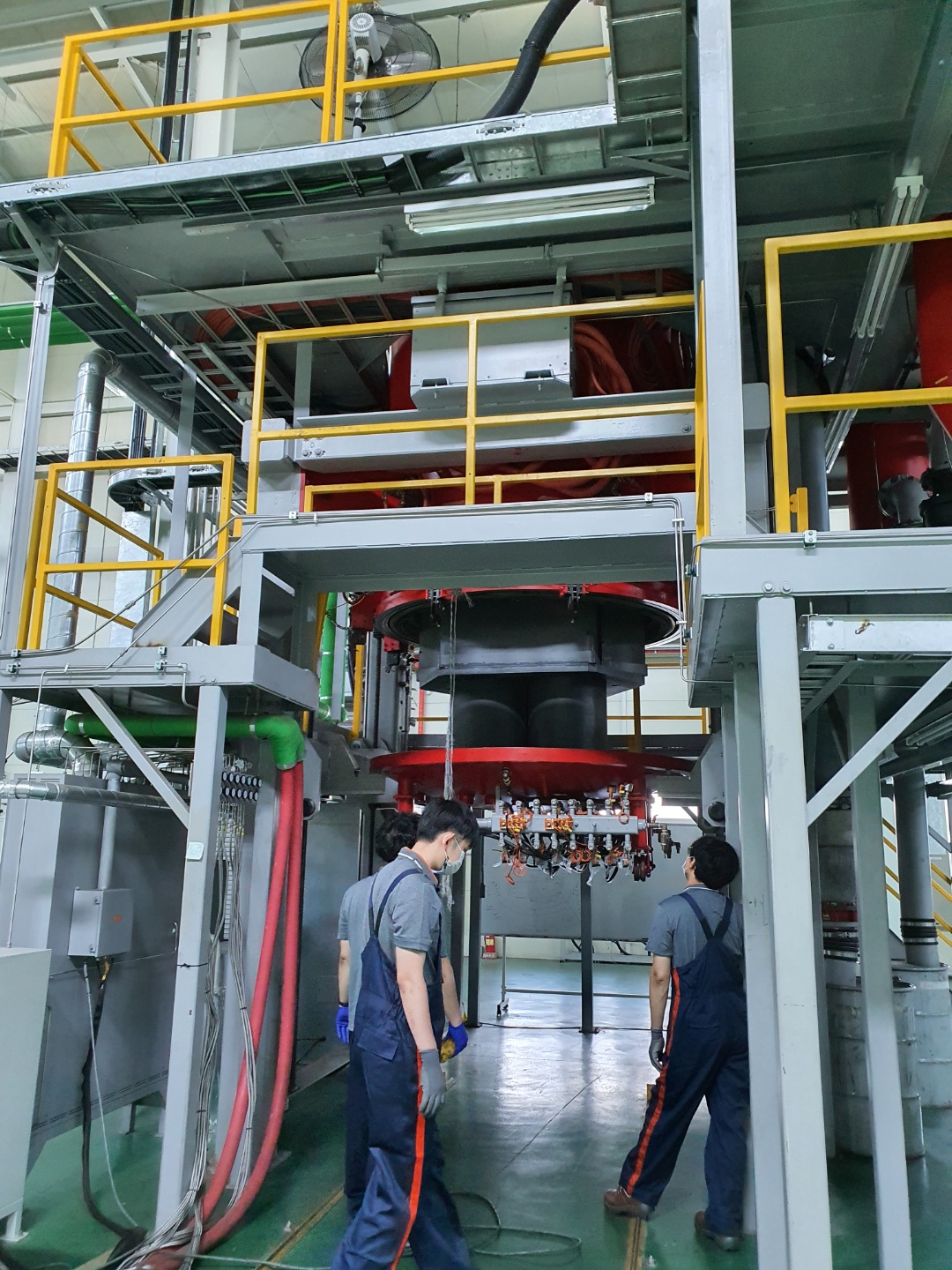
How CVD ZnSe is actually grown
Chemical vapor deposition of zinc selenide: zinc vapor, H2Se, a hot mandrel, a polycrystalline plate, then grinding. What we grow in South Korea and what we do not.
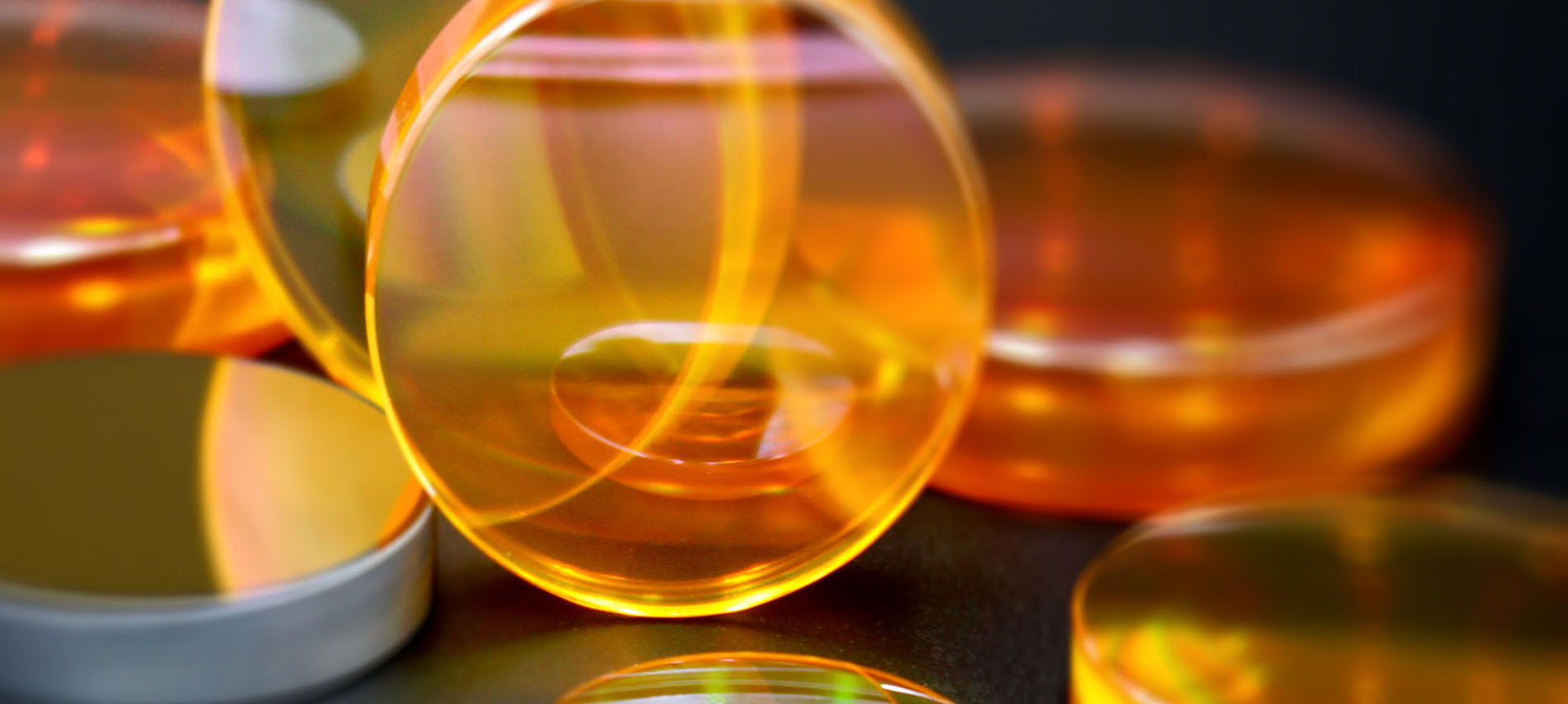
Laser grade vs optical grade ZnSe
Laser-grade ZnSe is specified around 10.6 µm absorption. Optical grade is specified around imaging scatter. Putting the wrong one in a resonator is how you write a failure report.
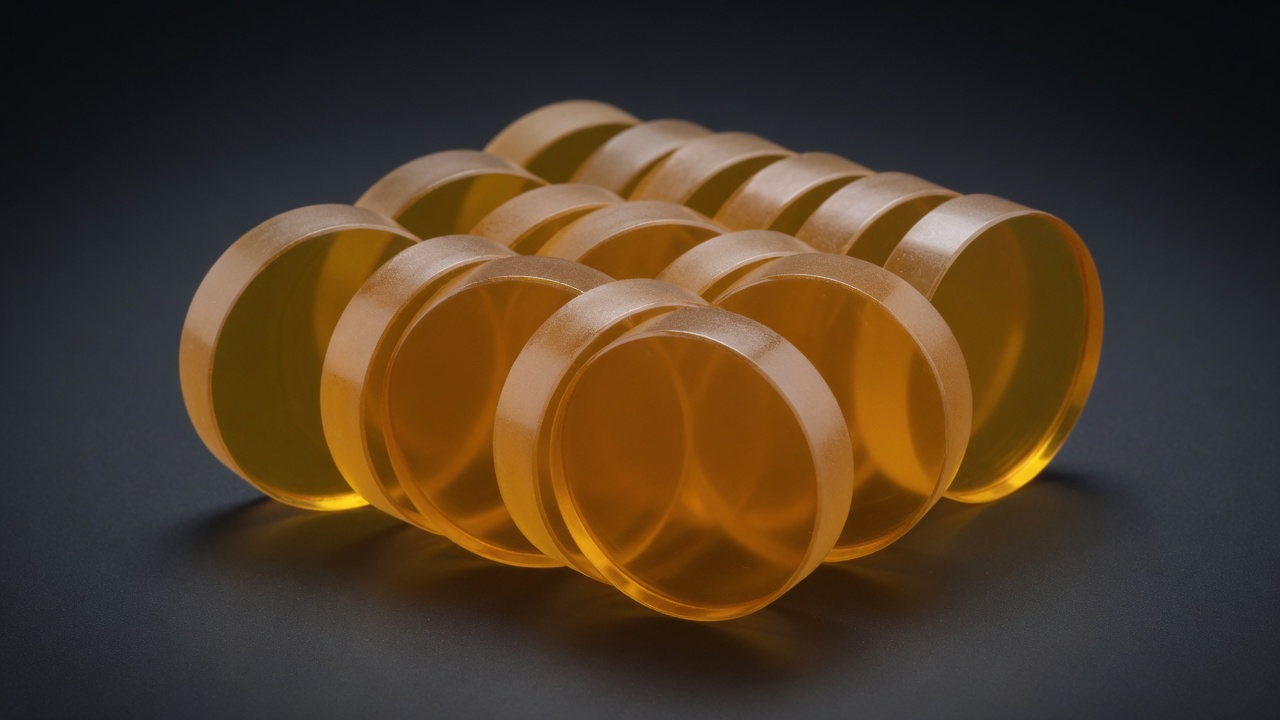
SMTY: sufficient material to yield
SMTY ZnSe is water-jet nested stock cut at least 1.5 mm oversize so your shop yields the blank without buying a whole mother sheet.
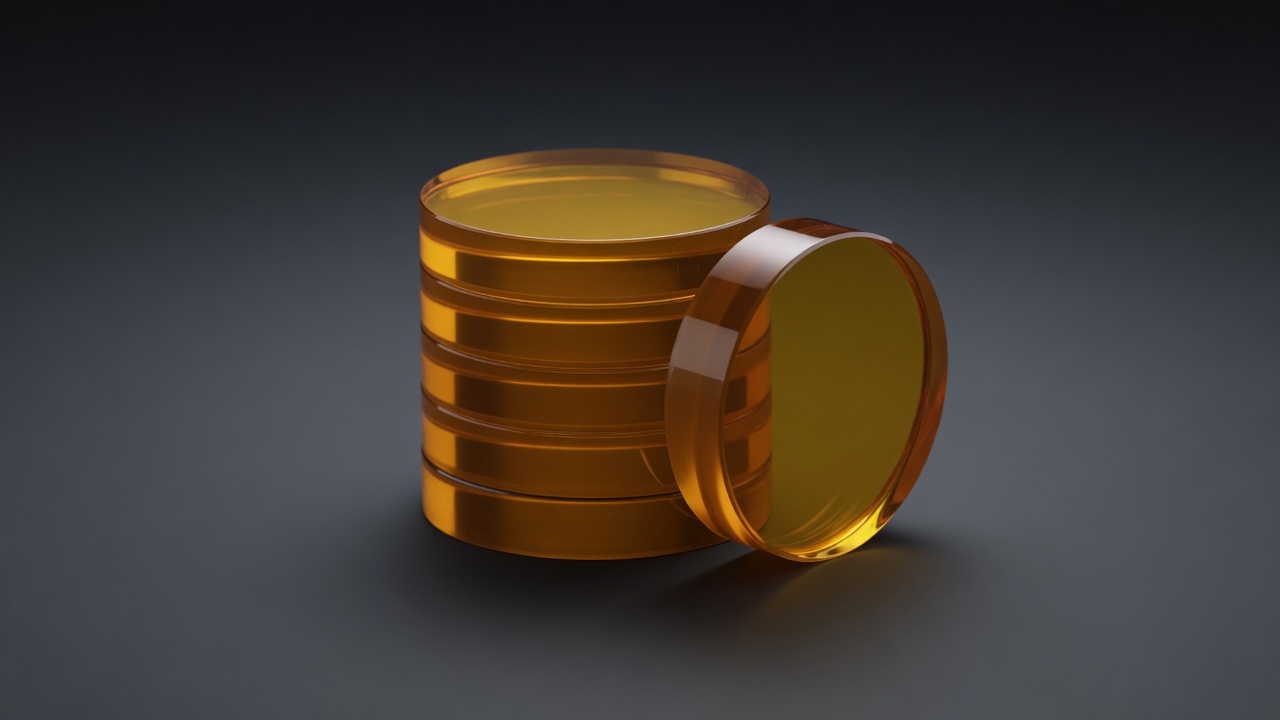
Windows, cores, and edged blanks
Finished ZnSe windows vs core-drilled blanks vs edged stock. The +2.032 mm, ±0.254 mm, and chip <0.762 mm numbers we actually run.
AR coating ZnSe at 10.6 µm (and the HeNe problem)
Uncoated ZnSe throws away ~17% per face at 10.6 µm. AR is not optional on a resonator. Dual-band with 633 nm is a design, not a checkbox.
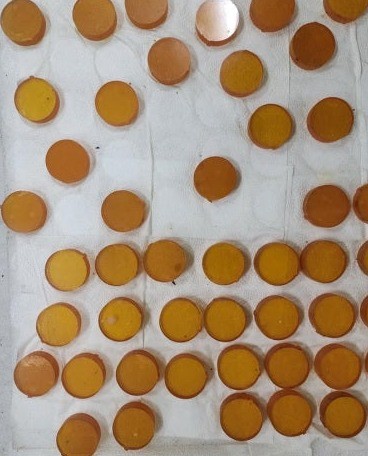
Handling ZnSe: soft, toxic, not a glass blank
Knoop ~110, selenium chemistry, gloves, no dry grind, SDS with the quote, and return-for-disposal of spent windows.
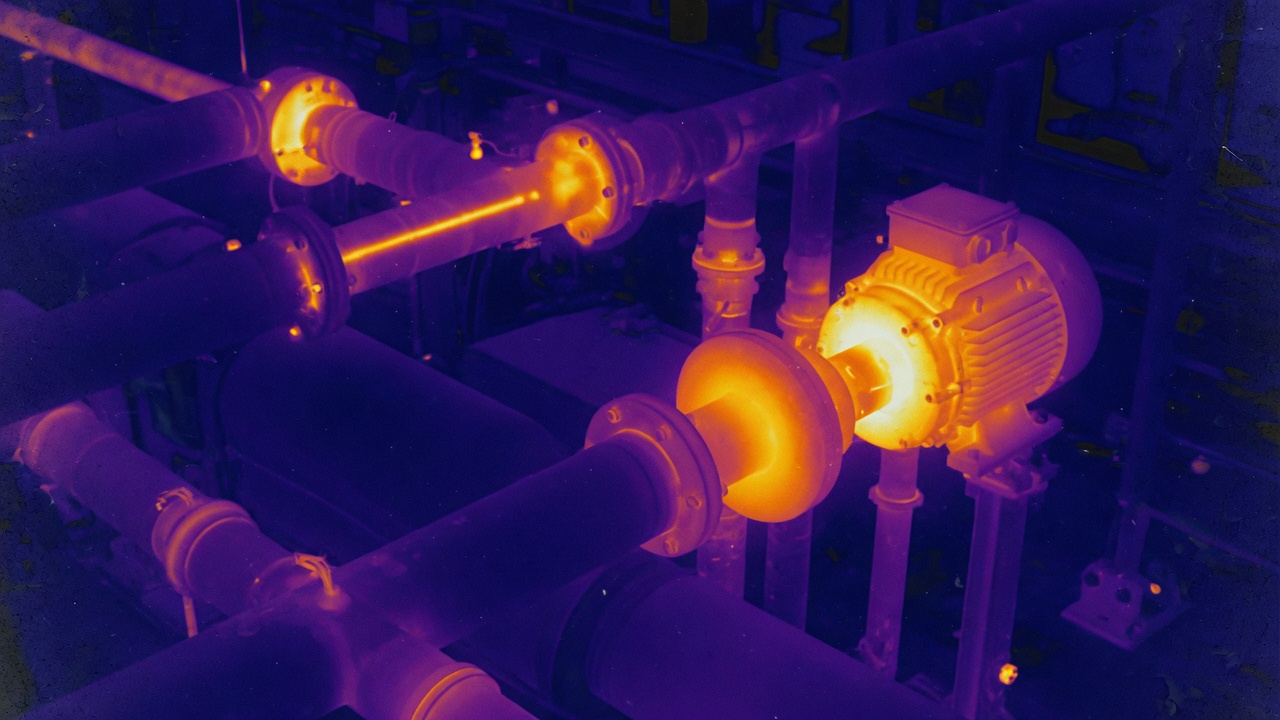
Same crystal, two jobs: thermal imaging vs CO2
ZnSe serves 10.6 µm lasers and 8–12 µm cameras. The grade, the AR, and the competitors (Ge, ZnS, Si) are not interchangeable.
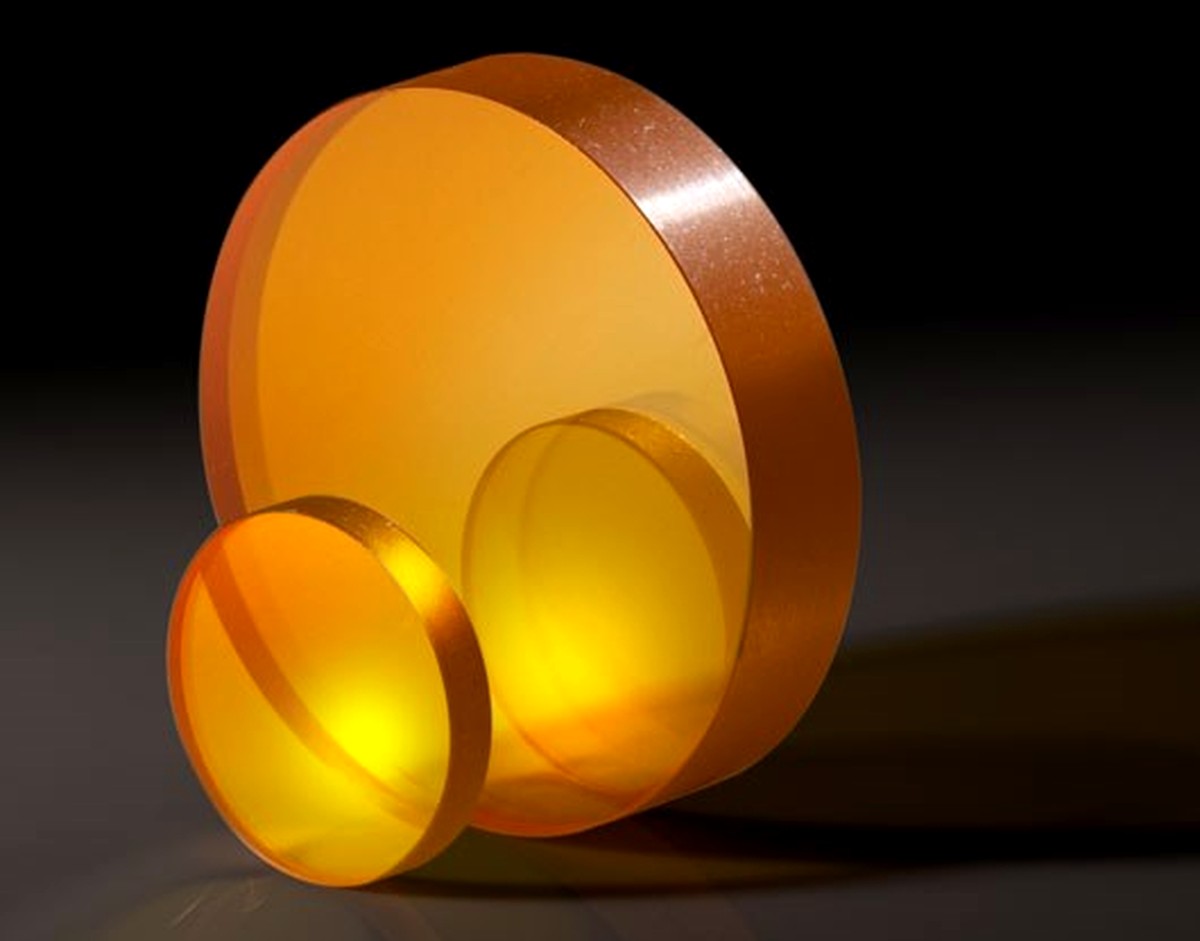
Uncoated ZnSe and Fresnel loss
n = 2.403 at 10.6 µm. About 17% per face uncoated. AR is specified, not a default.
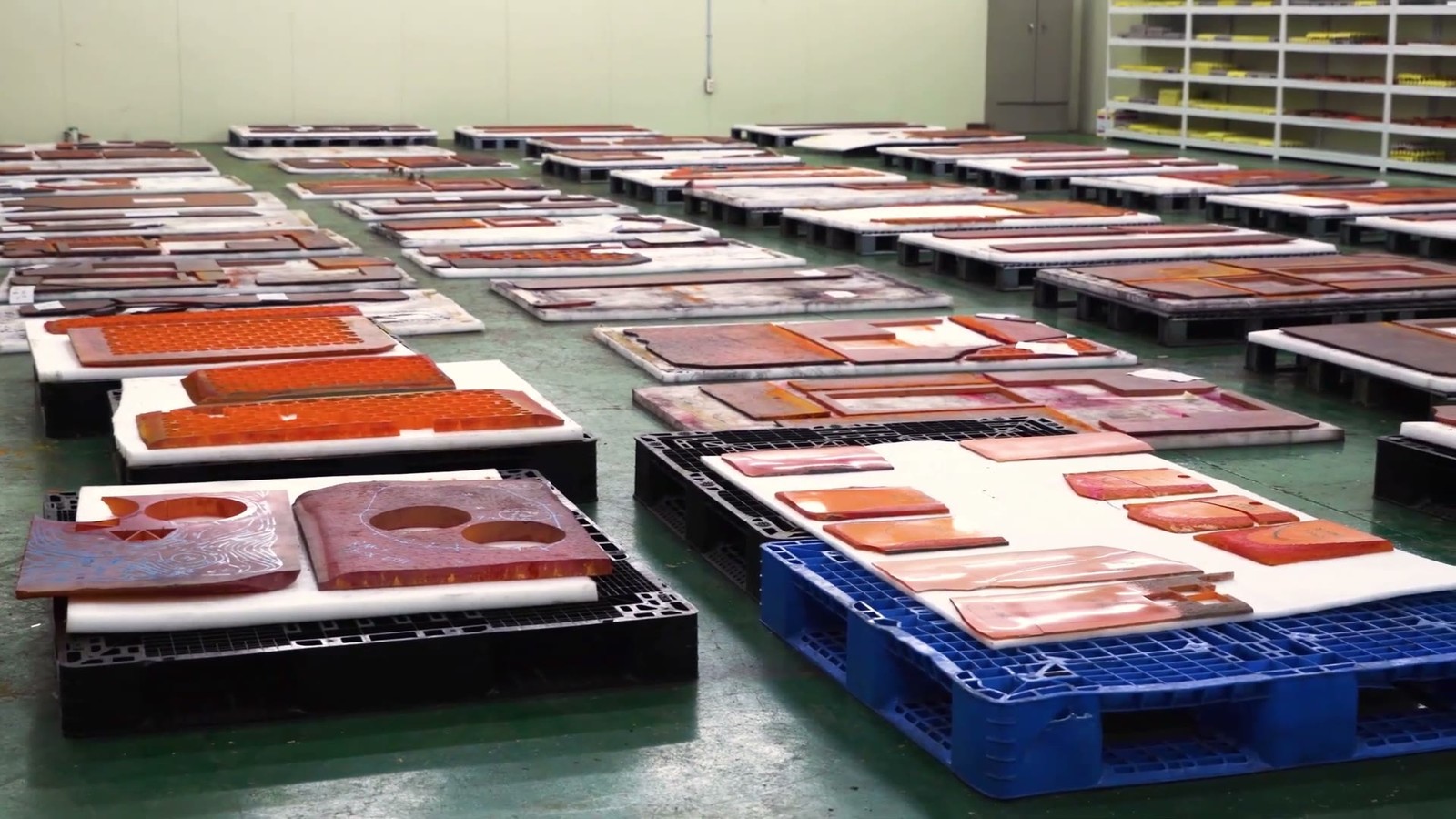
What Dia 800 × 30 mm means on a quote
KM datasheet maximum Dia 800 × 30 mm T — the CVD envelope, not a finished SKU on the shelf.